
Protein advice you can check.
Clear answers on how much protein you need, what it looks like on a plate, and which products hold up to scrutiny. Every number is footnoted to its source, and the advice is reviewed by a registered dietitian.

Latest guides and rankings
See all guides →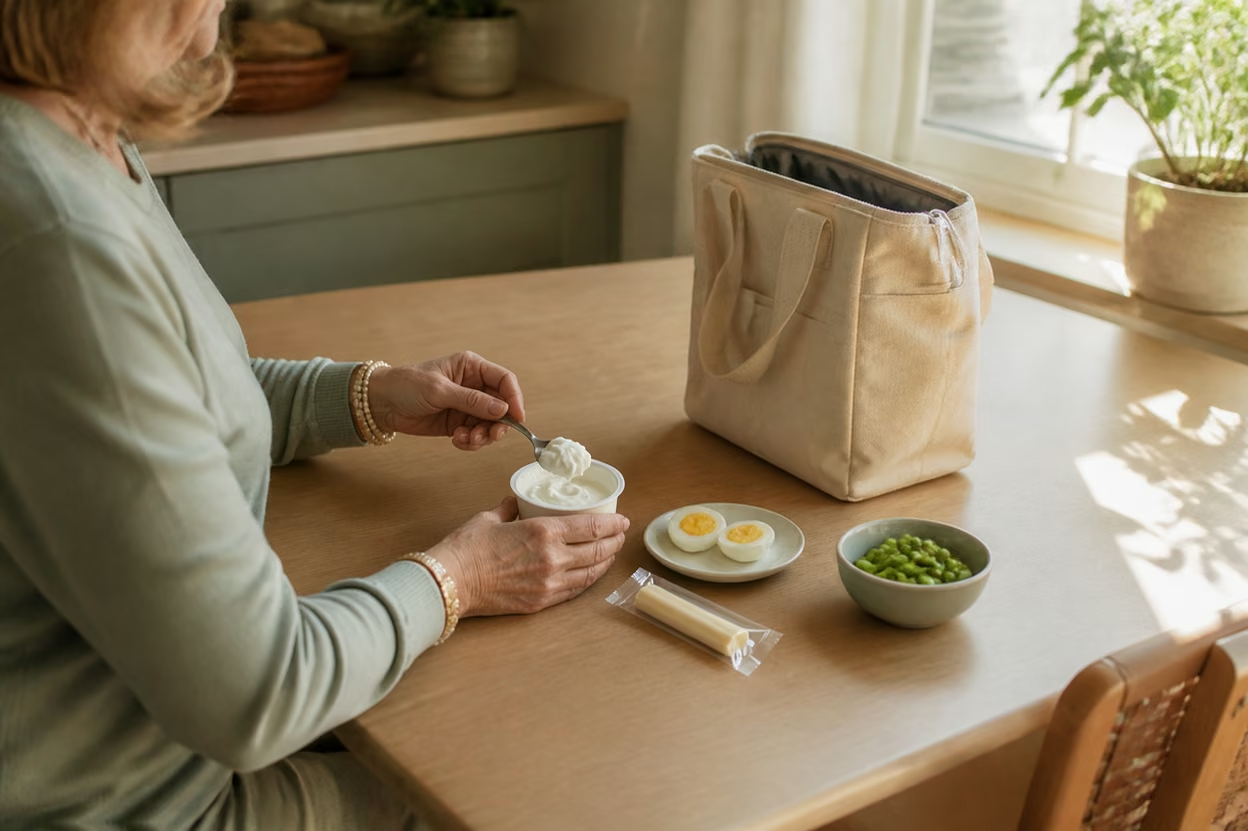
Low-calorie high-protein snacks, ranked
14 everyday snacks by protein per calorie and cost per snack, from USDA data and grocery prices.
See the ranking →
Healthiest meats for protein, ranked
17 meats and seafood by protein per calorie and cost per 30 g of protein, from USDA data and grocery prices.
See the ranking →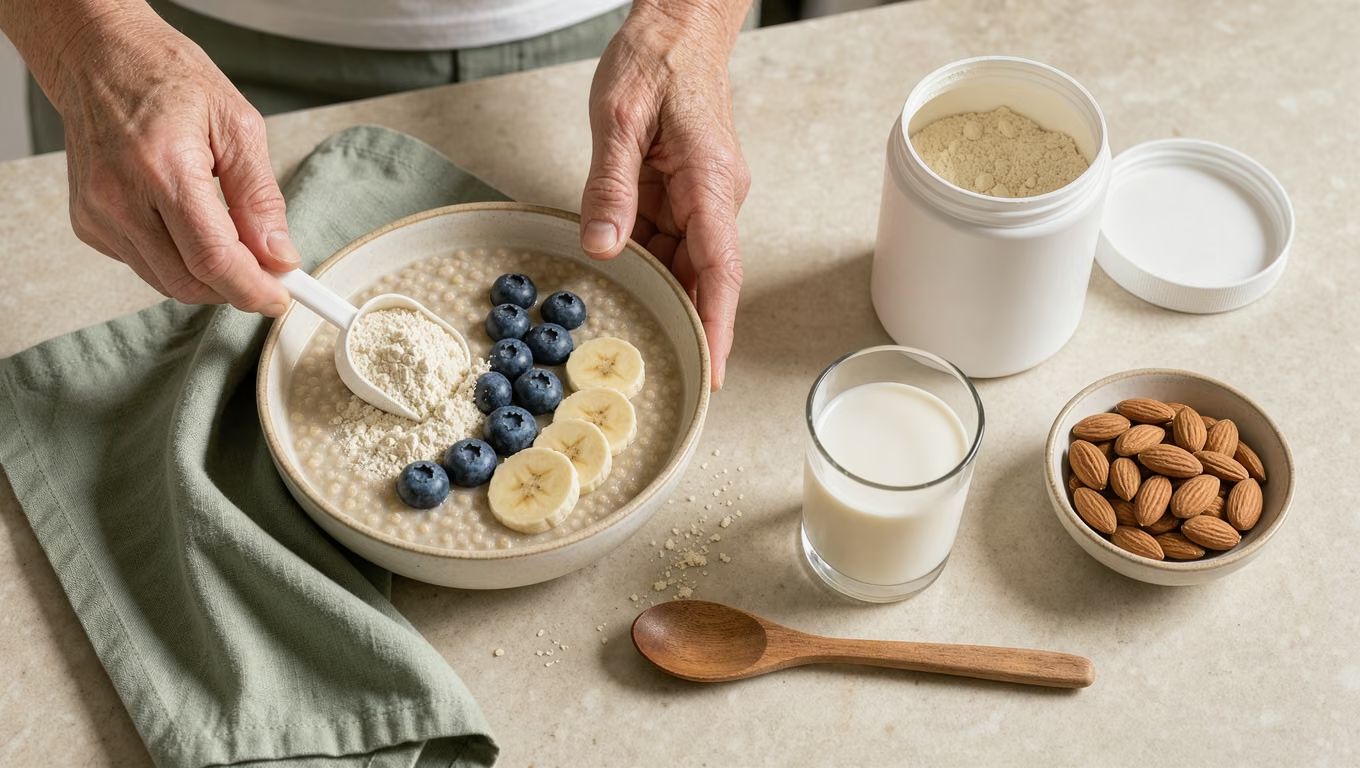
Best protein powder for adults over 50
Six picks from the 40 powders we scored: tested, simple labels, unflavored and dairy-free options.
See the picks →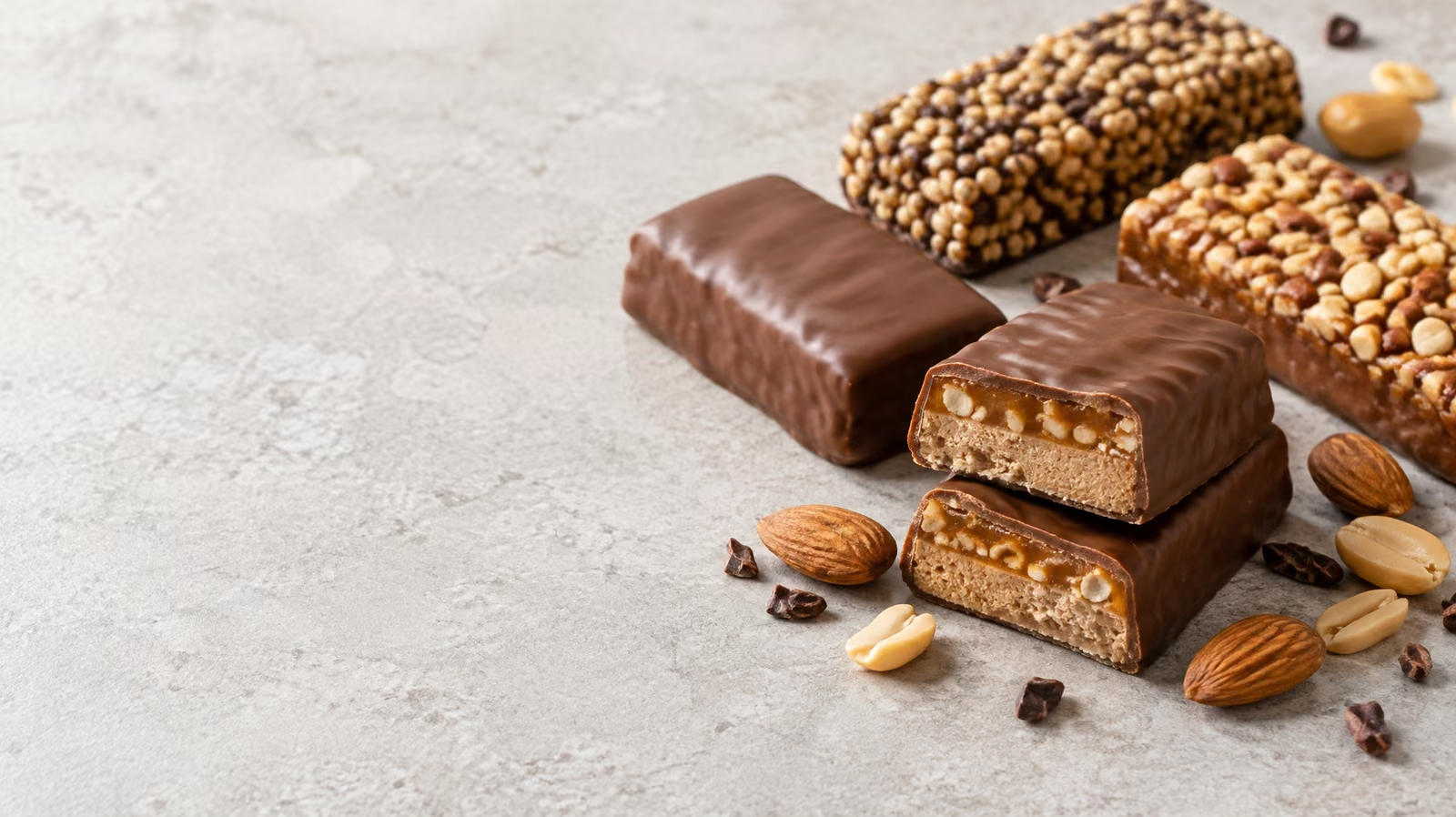
Best protein bars: we ranked 20
Thirty-six bars scored on protein per calorie, cost, added sugar, sugar alcohols and testing records.
See the rankings →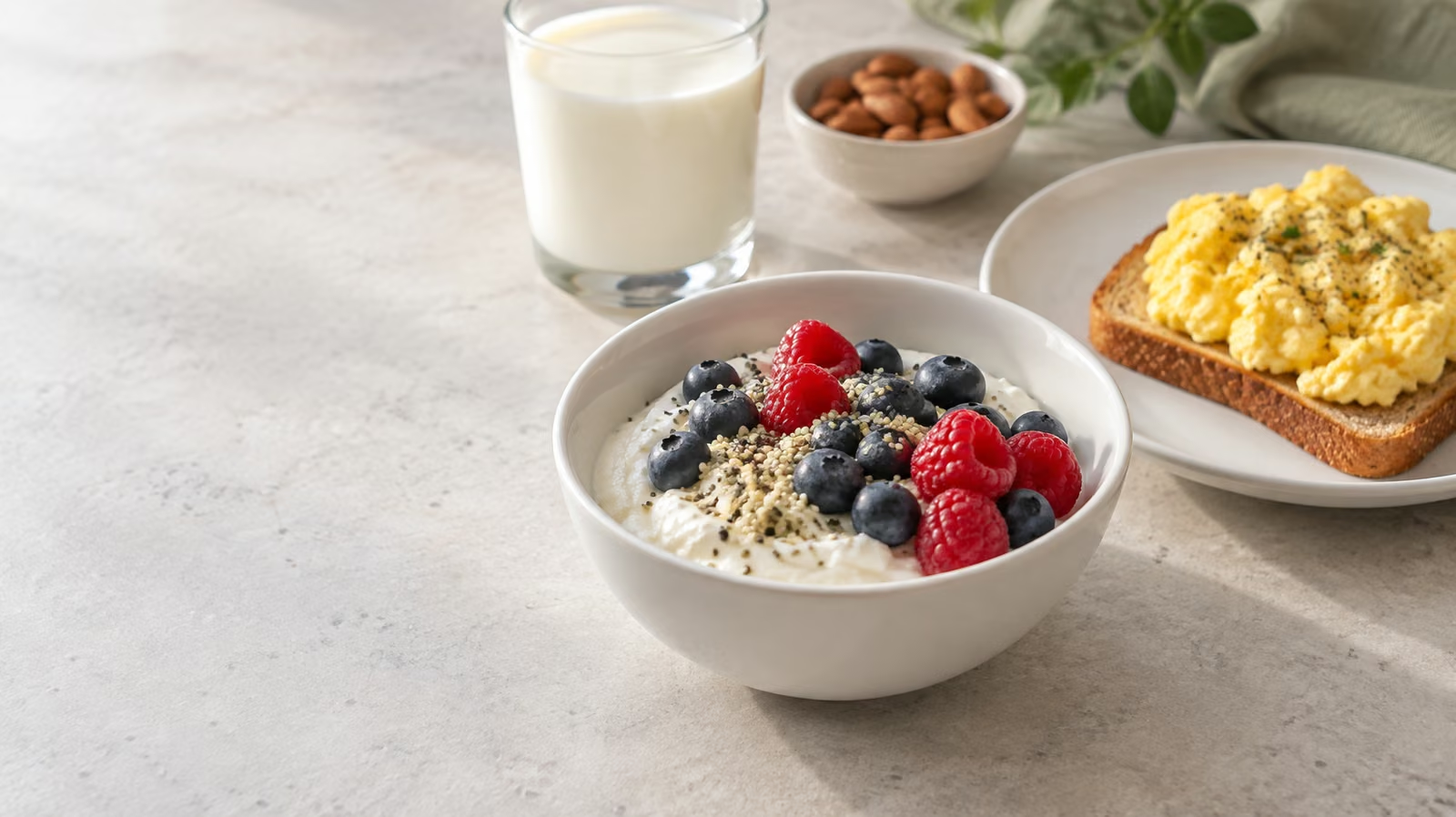
30 grams of protein at breakfast
Why breakfast matters more as we get older, and ten easy breakfasts that reach 25 to 30 grams.
See the ideas →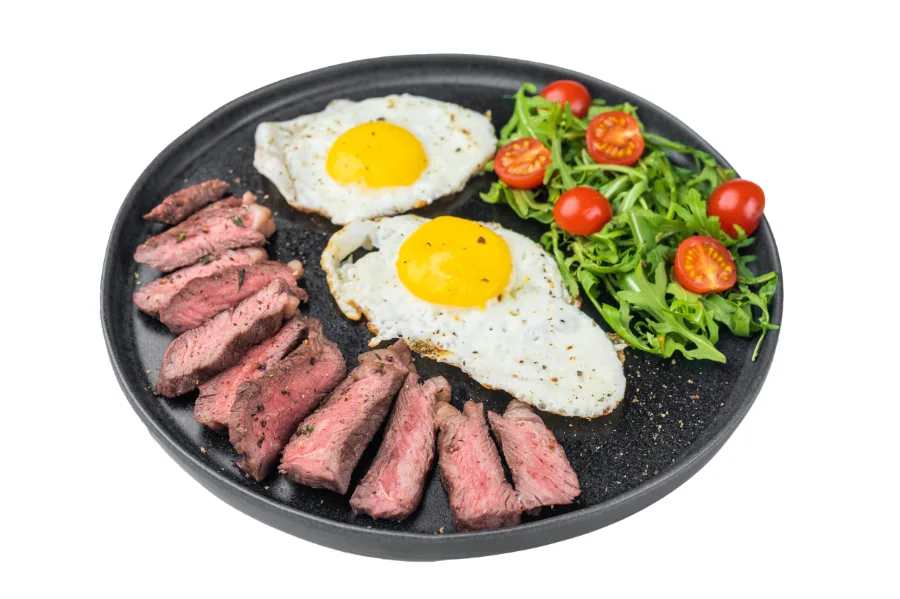
Protein calculator: how much do you need?
Enter your details and see where every major guideline lands for you, and why they differ.
Use the calculator →
Best whey protein powder: we ranked 20
Scored on cost, testing records, protein per calorie and label transparency. Every figure is shown.
See the rankings →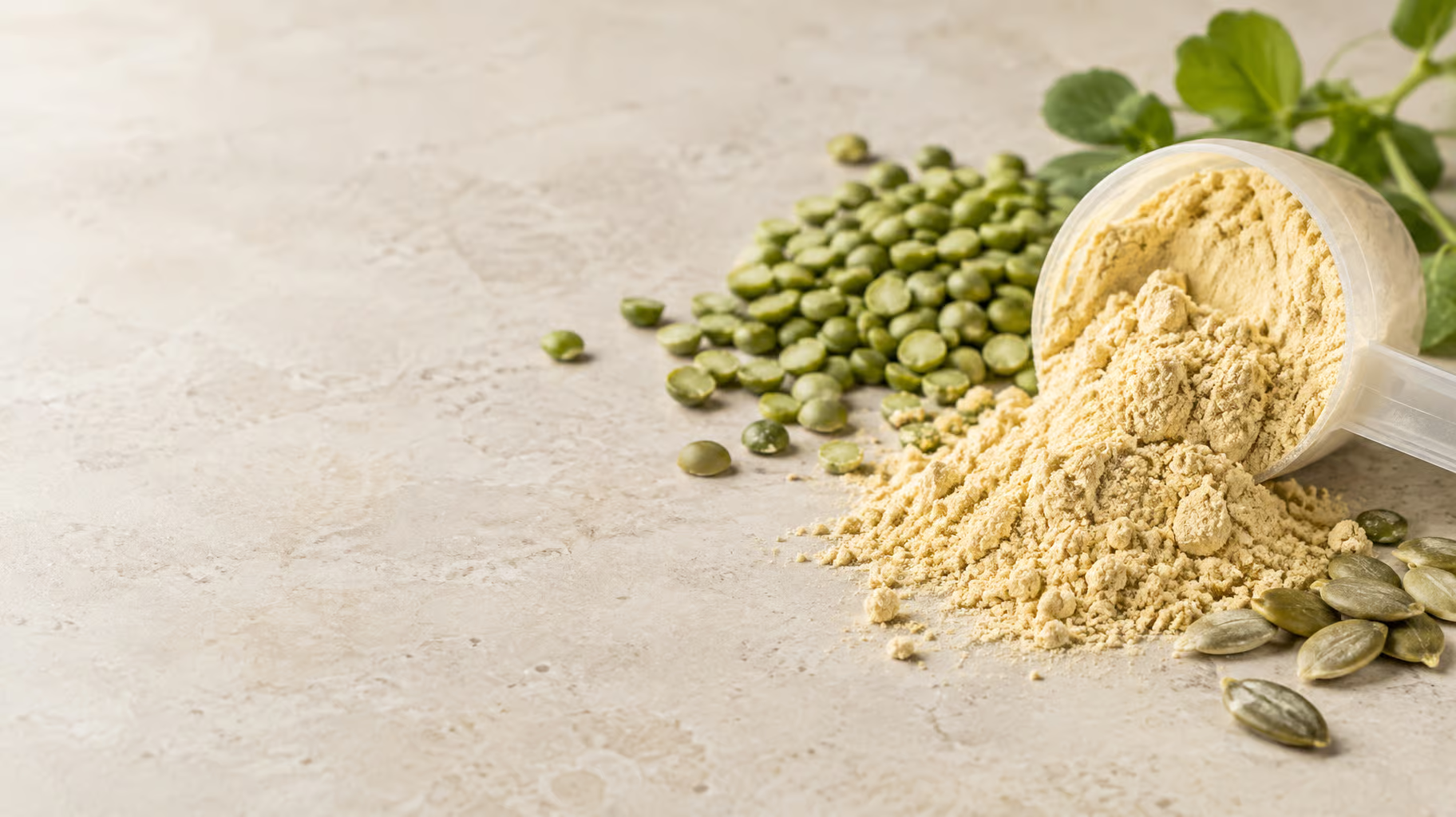
Best plant-based protein powder: we ranked 20
Twenty vegan powders scored on the same rules as our whey rankings. Every figure is shown.
See the rankings →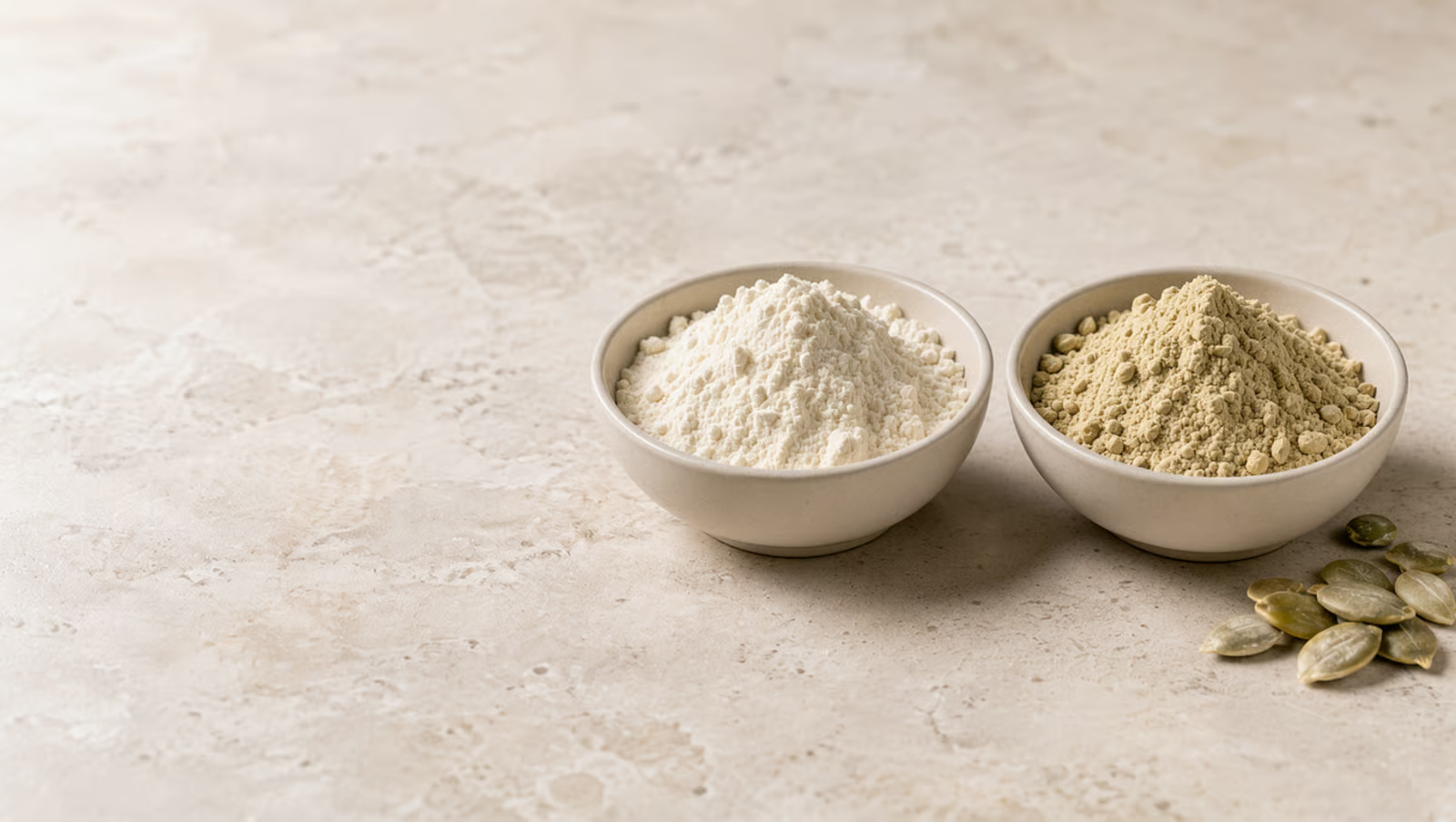
Pea and other plant proteins vs whey protein
What’s actually different, what isn’t, and who each one suits, based on 40 powders and the research.
Read the comparison →Get our free 7-day protein meal plan, plus the label checklist
Join the email and you’ll get a week of everyday meals at about 25 to 35 grams of protein each, our protein label checklist and a fill-in protein plan, all in one download right away. After that, one short email a week with one idea you can use, plus new guides and rankings as they publish. No spam, and you can unsubscribe in one click.
We would rather show our work than ask for your trust.
Most protein advice online is written to sell you something. Ours is built so you can check every claim yourself. Here is how.
Reviewed by a dietitian
When we give advice on what or how much to eat, a registered dietitian reviews it before it publishes. Pages that only compare labels, prices and scores are checked against their sources instead. Her name goes on a page only after she has reviewed it.
We show our math
Every product score comes from a published formula, so you can reproduce any number on this site. See how we score.
We score facts, not taste
Taste is personal and impossible to check, so we leave it out. We score what you can verify: what 30 grams of protein costs, whether the testing is on a public record, how much of each calorie is protein, and how clear the label is.
Brands can’t buy a better score
Some links earn us a commission, and we say so on every page. A commission never changes a score, a ranking or what you pay.
Four measures. Published weights. No surprises.
Whether it is a powder, a bar or a ready-to-drink shake, we publish the method before we publish a ranking. Third-Party Verification carries the most weight because it is the one thing a shopper cannot see on the shelf. Price, calories and ingredients are printed on the package. Whether an independent program has actually checked the product is not.
Read the full method →